It’s wild how a kind word can feel like a slap when your body still remembers manipulation.
Some days, healing feels like wearing your skin inside out—soft, exposed, easily startled by gentleness.
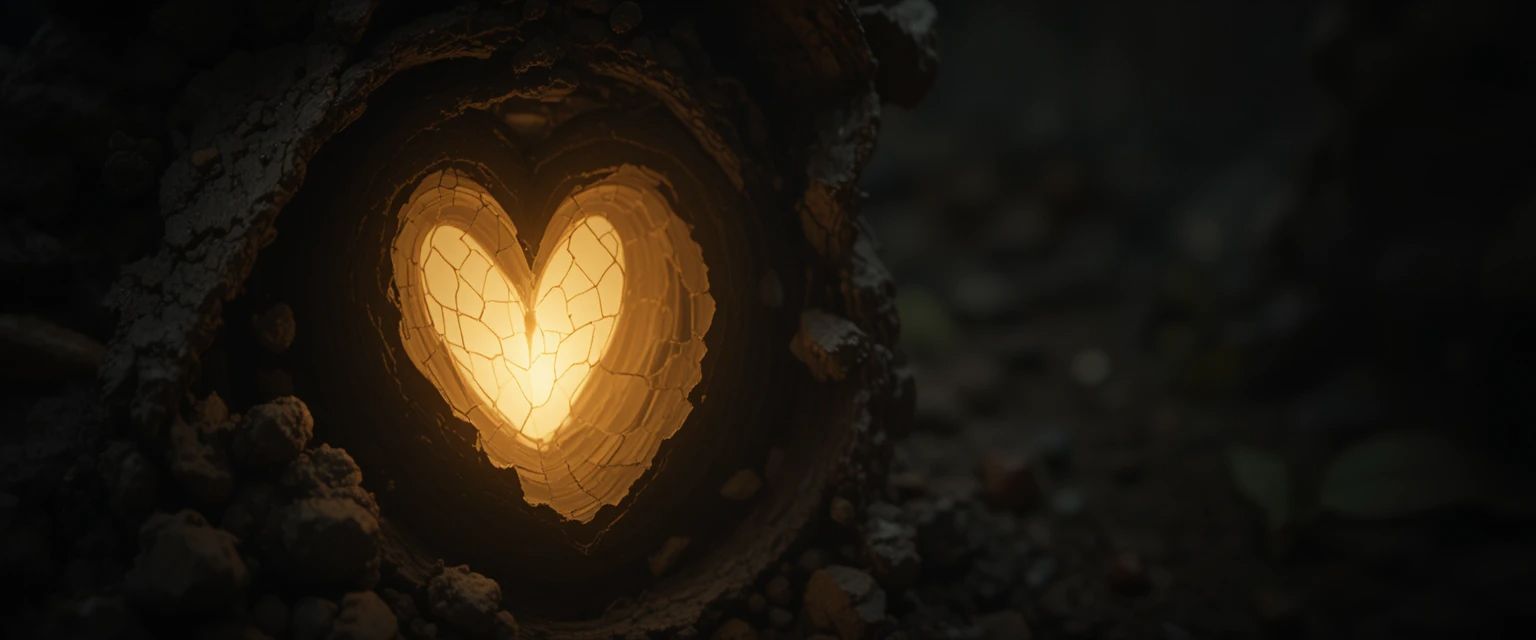
But here I am, heart stitched back together, trying to figure out what to do with it now that it’s mine again.
Healing throws you into a weird in-between.
You’re not who you were, but you’re not fully new either.
It’s like standing in front of the mirror, knowing you’ve changed, but your reflection hasn’t caught up yet.
People say you look “better.” They say you’re glowing. But what they don’t see is that half the glow is just sweat from holding it together. You smile, you make eye contact, you even laugh again—but inside, your nervous system is still scanning for danger, waiting for someone to prove your body right about not being safe.
They call it moving on.
I call it learning how to exist again without the old armor.
Dating, flirting, even small talk—it all feels like a foreign country I used to live in but no longer speak the language of. Compliments make me flinch. Invitations make me anxious. And yet, some part of me still wants to learn how to dance again, even if it’s clumsy, even if my heart trips over old ghosts.
Because maybe that’s what healing really is—not forgetting the wound, but finally daring to move with the tenderness it left behind.
The ghosts of the old world don’t live in the past; they live in the body.
They hum beneath the skin, patient and familiar, like background music you can’t quite turn off. You can forgive what happened years ago and still feel your pulse quicken when something innocent brushes against an old wound.
Healing doesn’t erase the old maps—it just redraws the routes. The landmarks remain: the tone that sounds too sharp, the silence that lasts too long, the way the air changes when someone raises an eyebrow the same way they used to. You tell yourself you’re safe now, but the body remembers terrain long since abandoned.
Sometimes the ghost arrives as data—an algorithm surfacing a face you tried to forget.
Sometimes it rides on scent, a cologne or candle that makes time collapse.
And sometimes it hides behind kindness itself, because safety, after years of survival, can feel suspicious.
These moments aren’t regressions; they’re coordinates. Proof that the body still believes it’s navigating the same landscape, even when the danger is gone.
And the work—the quiet, daily work—is reminding it: the map has changed.
There are new roads now. Softer ones. You can walk them slower.
There’s a strange tenderness in trying again.
The first time someone flirts with you after healing, it’s like stepping into sunlight after years underground—you blink, flinch, then try to remember what warmth feels like. Compliments land heavy, almost suspicious.
Your mind says smile, say thank you,
but your body whispers, we’ve heard this tone before.
You start wondering how anyone does this—how they laugh without analyzing tone, how they say yes to coffee without drafting escape routes in their head.
You’ve spent years re-learning how to breathe, and now you’re supposed to flirt? It feels absurd, like trying to dance with training wheels still on.
Because when your nervous system once equated love with danger, it doesn’t just forget. It tiptoes through every new tenderness, cautious but curious.
And that’s the quiet beauty of this stage—you do it anyway. You show up trembling but open, unsure but sincere.
Healing taught you to survive; becoming teaches you to receive.
How do you receive love when your body still remembers love as danger?
When do you stop apologizing for being cautious, and start honoring your boundaries as sacred?
There’s no manual for this part.
You’ll overthink the compliment, overanalyze the text, maybe even panic when someone’s kindness feels too consistent. But it’s all part of the recalibration—the body learning that peace can be safe, that calm isn’t the silence before the storm.
How do you let people in when the last time you did, they weaponized your openness?
What does “ready” actually mean after trauma—is it a feeling, or just a decision to try again despite the shaking hands?
You don’t have to know. Maybe readiness isn’t something you arrive at; maybe it’s something you practice in micro-moments—the pause before you delete a message, the softening of your shoulders when you realize they’re not them.
Each small risk, each awkward smile, each genuine laugh that escapes unguarded—it’s proof you’re becoming again.
Not the same as before.
Wiser.
Warmer.
Still tender around the scar, but no longer afraid to be touched by life.
Every story we tell eventually becomes a mirror. The words might start as mine, but somewhere in the middle, they begin to sound like yours. That’s the quiet magic of reflection—it shows us not just where we’ve been, but what we’ve been avoiding seeing.
If something in these pages stirs you—a memory, a discomfort, or a quiet ache—pause there. Don’t scroll past it. Sit with it. Let your body answer before your mind does. The goal here isn’t to analyze yourself into exhaustion; it’s to notice what moves inside you when truth knocks.
Welcome to The Reflection Corner—a small sanctuary of questions meant to stretch your awareness and soften your defenses. You don’t need to have the “right” answers; just allow the questions to breathe inside you. Write if you feel called. Reflect if you’re not ready to speak it yet. Healing begins with acknowledgment, not perfection.
Reflection Corner 🪞
- Where do you still confuse comfort with love?
- What kind of touch makes your soul flinch—and what kind of silence finally feels safe?
- When someone sees you clearly, do you lean in or look away?
- What truths about tenderness have you been too gentle to admit to yourself?
Feel free to answer below or message me directly. This space is for honest souls finding their way back to themselves.
Maybe healing was never meant to make us feel “ready.”
Maybe it was always about learning how to live while still a little tender, still unsure, still human. We spend so long waiting for the day we’ll finally stop flinching, stop remembering, stop caring — but maybe that day never really comes. Maybe the goal was never to erase the scar, but to honor the story it tells.
There’s a quiet courage in choosing to show up again — in loving, laughing, and creating even when the heart still hums with old echoes. That’s where the real magic lives. Not in being healed, but in daring to live with the tenderness that healing leaves behind.
With love and luminosity
~ Juju 💜

Leave a Reply